
Products Description
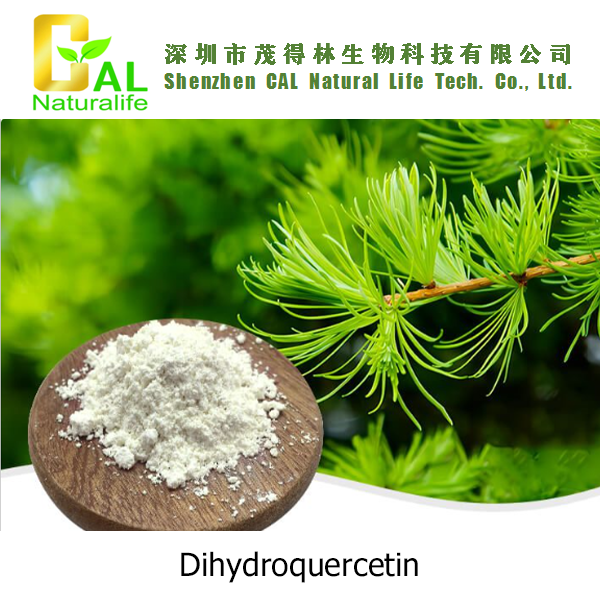
Product Name: Taxifolin
Botanical Source: Larix gmelinii
Part Used: Bark
Specs: 80%, 90%, 95%,98% HPLC
Appearance: Yellow to light yellow powder
Packaging: By 25kgs/Drum, inner by plastic bag
Odor: Characteristic aroma and flavor
Storage: Stored in cool and dry places. Keep away from strong light and heat
Shelf Life: 24 months
What’s Taxifolin?
Taxifolin (dihydroquercetin) is a bioflavonoid. It is found in Larix gmelinii and has potent anti-inflammatory and antioxidant effects. Flavonoids are plant pigments found in many foods and plants, such as citrus, tea, red wine, colorful berries, and even dark chocolate. They may even make vitamin C more effective and longer-lasting in the body.
Dihydroquercetin, also known as douglasin, is commonly found in onions, milk thistle, grapes, green tea, olive oil, and the bark of some coniferous trees.
Product Name | Taxifolin |
Botanical Source | Larix gmelinii |
Part Used | Bark |
Specs | 80%, 90%, 95%,98% HPLC |
Appearance | Yellow to light yellow powder |
Packaging | By 25kgs/Drum, inner by plastic bag |
Odor | Characteristic aroma and flavor |
Storage | Stored in cool and dry places. Keep away from strong light and heat |
Shelf Life | 24 months |
Request OEM / Private Label Quote
Capsules • Tablets • Powders • Liquids | One-Stop Manufacturing
The Benefits of Taxifolin
Anti- Cancer
Several studies have illustrated Taxifolin’s capacity to inhibit the proliferation of cancerous cell lines. Taxifolin has exhibited potential in targeting and suppressing the growth of breast cancer cells and ovarian cancer cells, highlighting its ability to induce cell death in these malignancies.
Antibiotics
Taxifolin has the potential to augment the effectiveness of specific antibiotics, including levofloxacin and ceftazidime. This heightened potency may offer advantages to individuals grappling with antibiotic-resistant conditions, such as MRSA.
The Sides Effects of Taxifolin
Despite its health benefits, some people may experience side effects, especially those who take the flavonoid as a dietary supplement. Side effects of Taxifolin may include:
Stomach ache
Nausea and diarrhea
Rash or contact dermatitis
Increased risk of blood clots and bleeding (in some people)